
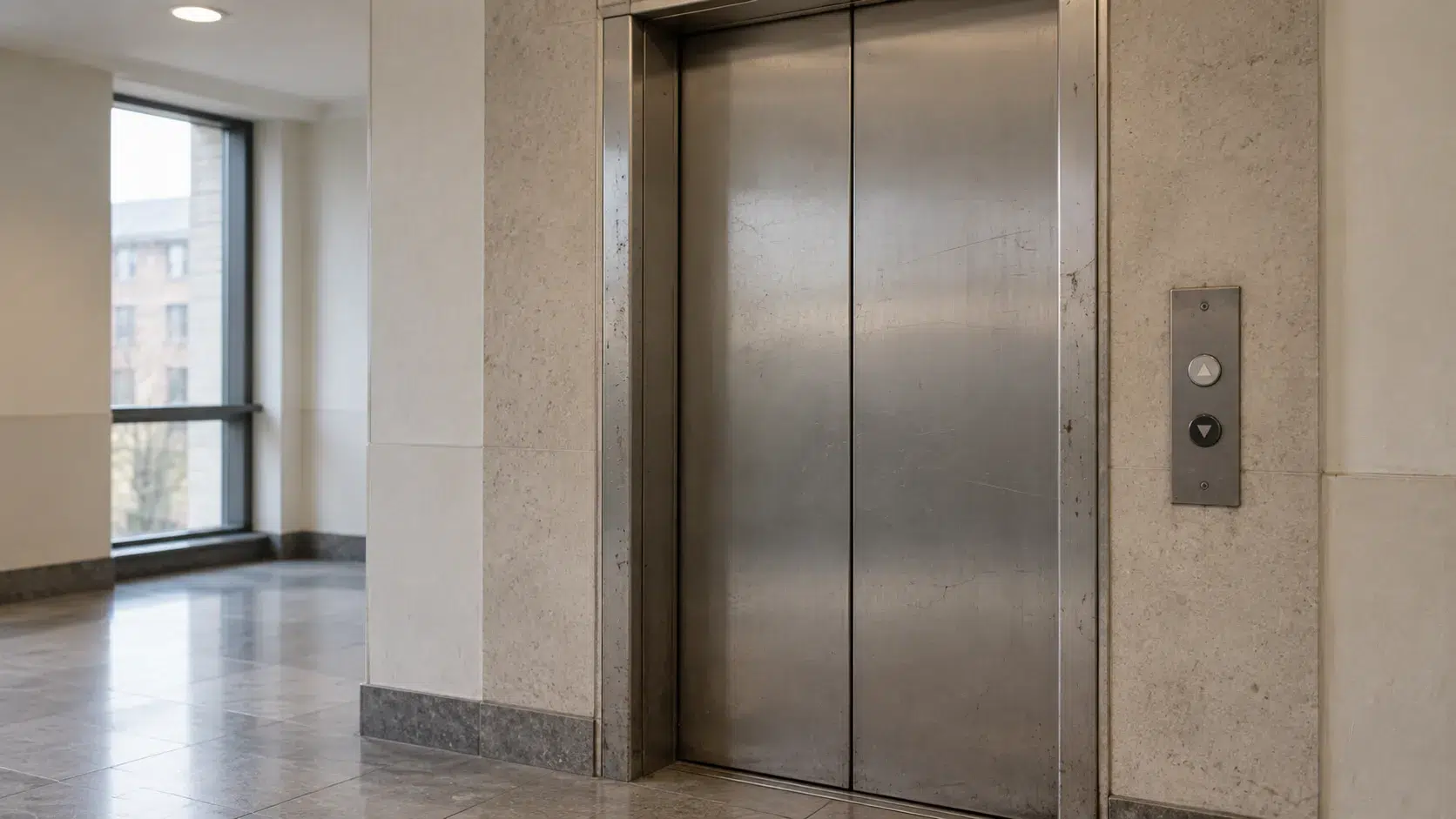
A lift can continue working reliably for many years, but the equipment inside it will not be supported forever.
As lift systems get older, manufacturers may stop producing certain components or supporting older technology. This can make replacement parts harder to find and turn what would once have been a straightforward repair into a much bigger issue.
This is known as lift obsolescence, and it is something building owners and facilities managers should consider before parts become unavailable altogether.
Understanding the condition of your lift and planning ahead can help reduce the risk of unexpected downtime, rising repair costs and rushed decisions about modernisation or replacement.
What does lift obsolescence mean?
Lift obsolescence happens when equipment or components within a lift become outdated and are no longer readily supported by the original manufacturer.
This does not necessarily mean that the lift has stopped working.
A lift may still be operating normally even though important components are approaching the end of their supported life. The problem can become more apparent when one of those components fails and a suitable replacement cannot easily be sourced.
Common areas affected by obsolescence can include lift control systems, drives, door equipment, motors, electronic boards and other electrical components.
This is why the age of a lift is only part of the picture. The availability of parts and technical support can be just as important when considering its remaining working life.
What happens when lift replacement parts are no longer available?
When a component fails on a modern, well-supported lift, an engineer can usually source the required part and carry out the repair.
With obsolete equipment, this process can become more complicated.
A suitable replacement part may take longer to source, cost more or only be available as a reconditioned component. In some situations, the original part may no longer be available at all.
This can mean replacing a larger section of the lift system rather than the individual failed component.
For example, if part of an outdated control system fails and compatible components are no longer manufactured, replacing the wider control system may become the more practical long-term solution.
The result can be longer lift downtime and a much larger repair than initially expected.
Does an obsolete part mean the whole lift needs replacing?
An obsolete component does not automatically mean that the complete lift needs to be replaced.
A lift is made up of many different mechanical, electrical and structural components, and they do not all reach the end of their useful life at the same time.
If much of the existing lift remains in good condition, lift modernisation may be the more suitable approach.
Modernisation allows selected parts of the existing system to be upgraded while retaining equipment that remains suitable for continued use.
For example, an ageing control system or door equipment could be replaced while other serviceable parts of the installation remain in place.
However, if several major components are becoming obsolete, reliability is declining and the lift is approaching the end of its useful life, a full lift replacement may offer better long-term value.
The right decision should be based on the condition of the lift as a whole rather than one failed component.
What are the risks of continuing to rely on obsolete lift equipment?
A lift with obsolete equipment may continue to operate, but the risks can increase as parts become harder to source.
One of the biggest concerns is downtime. A relatively minor fault can leave a lift unavailable for longer if an engineer cannot obtain the required replacement part quickly.
Repair costs may also increase as components become rarer or alternative solutions are required.
Building owners may begin to notice:
- Longer waits for replacement parts
- Increasing repair costs
- More frequent breakdowns
- Repeat faults involving ageing equipment
- Recommendations to replace complete units rather than individual parts
- Parts being excluded from maintenance contract coverage
- Greater difficulty planning how long the lift can remain in service
These issues can become particularly disruptive in buildings where lifts are essential for accessibility or day-to-day operations.
Planning ahead is therefore much easier than waiting until a major obsolete component fails unexpectedly.
How can you tell if your lift is becoming obsolete?
Obsolescence is not always obvious from looking at the lift itself.
The lift car may still look modern while the equipment behind the scenes is becoming increasingly difficult to maintain.
Regular breakdowns can be one warning sign, but they are not the only thing to look for. Your maintenance provider may begin mentioning difficulties sourcing parts, recommending major upgrades or excluding certain components from the maintenance agreement.
An independent lift condition survey can provide a clearer picture.
A condition survey looks beyond individual faults and considers the wider condition, age, expected lifespan and obsolescence risk of the equipment.
This can help you understand which components may require attention and whether repairs, modernisation or replacement should be planned.
Should you modernise or replace an obsolete lift?
The answer will depend on the individual lift.
Modernisation can be a sensible option where the main structure and other key parts of the lift remain in good condition. Replacing outdated controls, drives, doors or other components can help extend the lift’s working life and improve reliability without replacing the entire installation.
Full lift replacement may become more appropriate when obsolescence affects several major components or when it is combined with wider issues such as poor reliability, ageing equipment and increasing maintenance costs.
The important point is that these decisions should ideally be made before the lift reaches the stage where a major failure forces immediate action.
Having time to assess different options, set budgets and plan works can make the process much easier for both the building owner and the people who rely on the lift.
Can good lift maintenance prevent obsolescence?
Regular maintenance is essential for keeping a lift reliable, but servicing cannot prevent equipment from eventually becoming obsolete.
A well-maintained lift can remain in good working order for longer, but manufacturers may still discontinue components as technology changes.
Plan for lift obsolescence before it becomes a problem
Lift obsolescence does not mean that a lift needs to be replaced immediately. However, it is an important sign that the future of the equipment should be considered.
Waiting until an unavailable component fails can leave building owners dealing with extended downtime, unexpected expenditure and limited options.
ILECS provides independent advice to help building owners understand the condition and remaining working life of their lifts.
Through services such as lift condition surveys, lift modernisation and lift replacement consultancy, our team can assess existing equipment and provide clear recommendations on the most appropriate next steps.
If you are concerned about obsolete equipment or have been told that replacement parts for your lift are becoming difficult to source, speaking to an independent lift consultant can help you understand your options and plan ahead.